Laser welding is an advanced welding technology that combines modern science with traditional techniques, yet it offers characteristics quite different from conventional arc welding. It delivers clear advantages such as electromagnetic interference immunity, narrow weld seams, a small heat-affected zone, smooth and attractive weld surfaces, high weld strength, safe non-contact operation, no remelting concerns, and high processing precision.
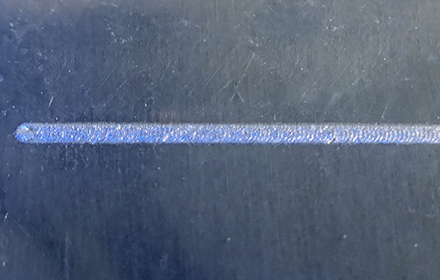
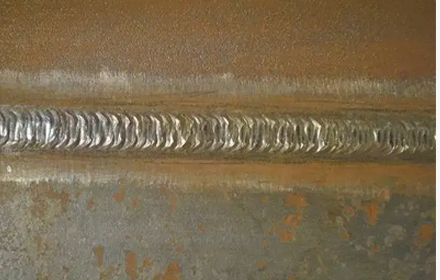
The following video from OFweek is cited to illustrate the advantages and development history of laser welding.
Due to equipment costs, laser welding has long been limited to automotive manufacturing, aerospace, and high-end manufacturing.
In recent years, major breakthroughs in domestic laser welding technology have significantly reduced equipment costs, making laser welding widely adopted across industries. Many traditional welding processes, such as argon arc welding, are being replaced by laser welding.
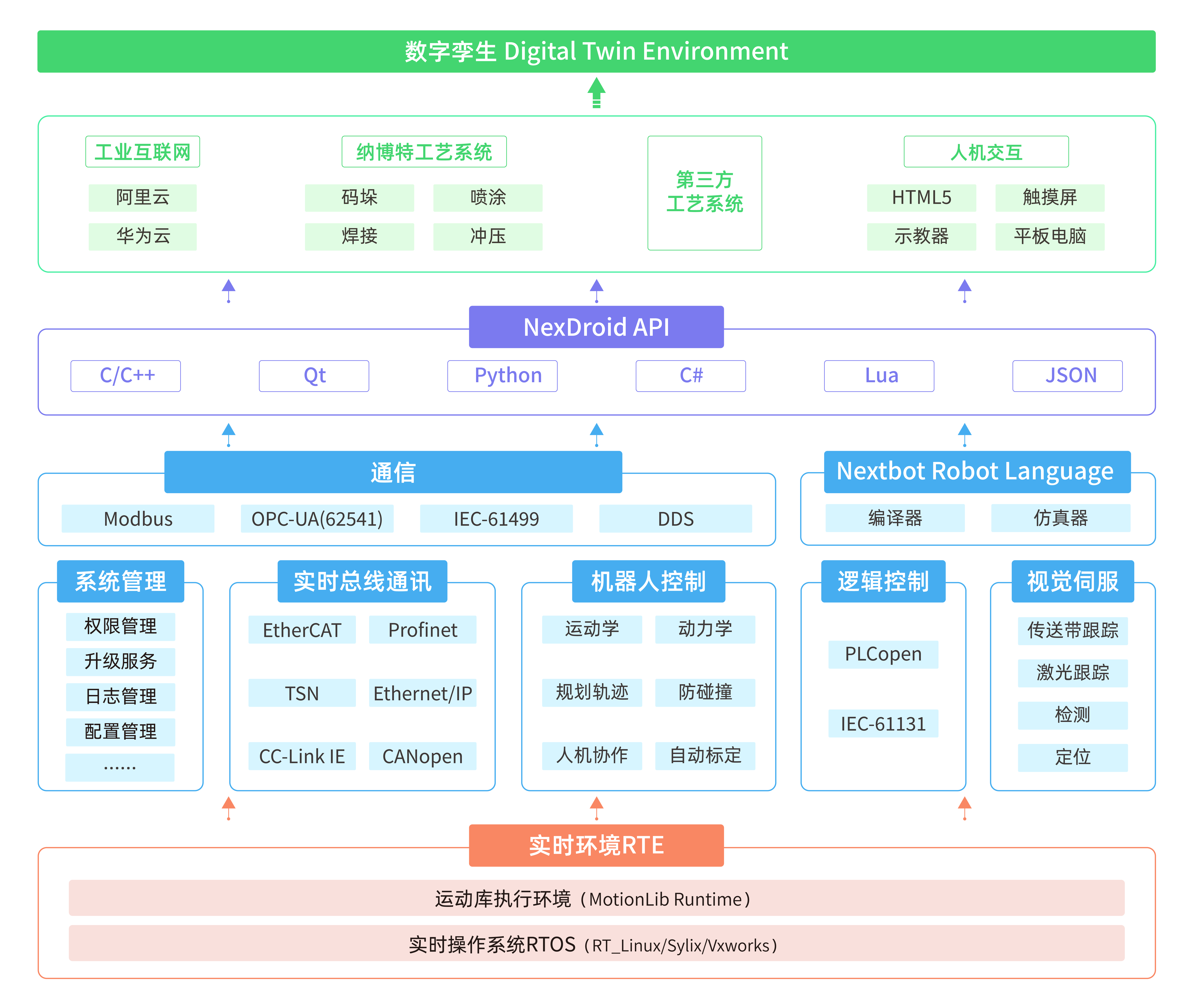
To make laser welding easier and more efficient for users and to promote wider adoption of robotic laser welding, iNexBot has launched a dedicated laser welding system. Domestic robots equipped with iNexBot systems can easily upgrade to laser welding processes.
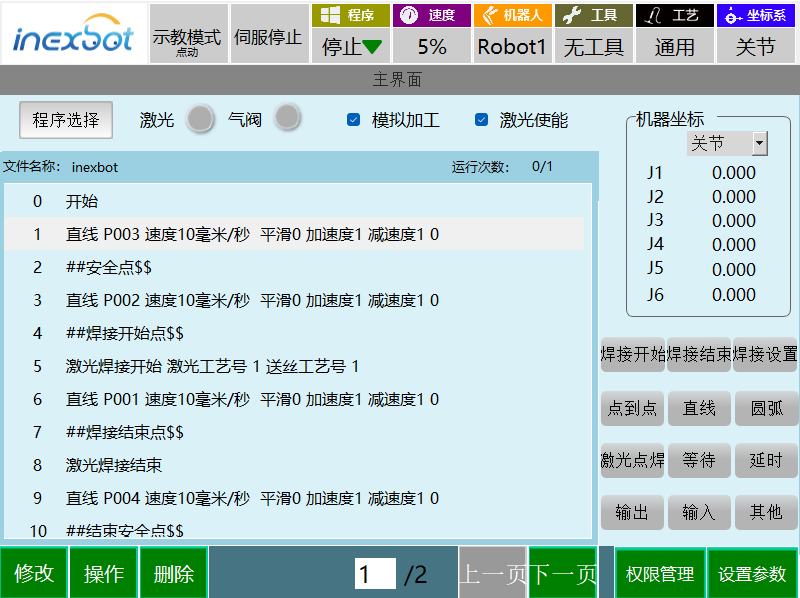
iNexBot Technology's laser welding system features built-in PWM output, eliminating the need for a dedicated PLC or additional control equipment and making it simpler and cleaner than traditional welding. Compared with conventional laser welding, it adds dynamic power, intelligent wire feeding, and high-speed PWM pulse control, making the welding process smarter, faster, and more stable.
System Features
Dedicated Laser Welding Commands
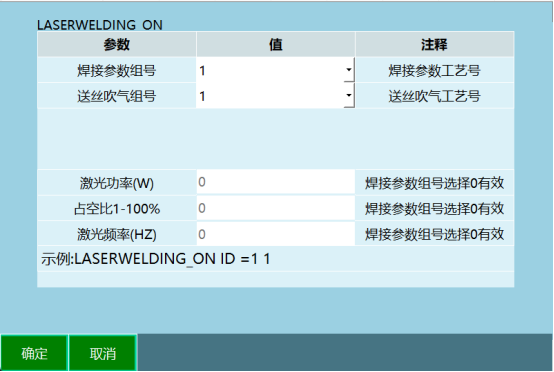
Conventional robotic laser welding is controlled via a PLC, which inevitably requires extensive PLC programming and numerous I/O calls, making it extremely complex.
The iNexBot robotic laser welding system has built-in dedicated laser welding commands that completely replace PLC programming. Just a few simple lines of commands are all that is needed to get to work. The interface has also been fully optimized so users can build programs quickly, and dedicated commands for spot welding scenarios are included.
Expert Parameters
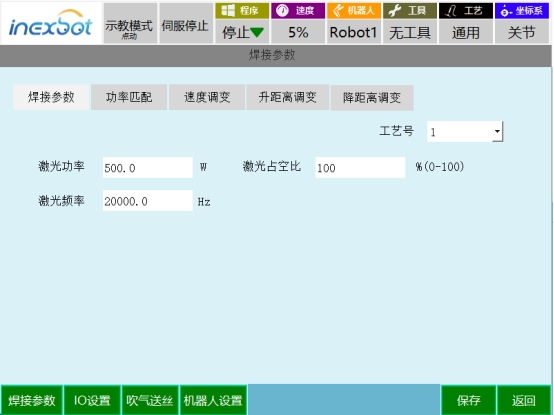
Based on in-depth research into laser welding, iNexBot has distilled the expert parameters required for laser welding and, through careful design, organized them into a clean, efficient parameter interface. The parameters are simple and clear, enabling rapid deployment while supporting a high degree of customization for complex laser welding scenarios.
High-Precision Welding
Thanks to the dynamic motion control algorithms of the iNexBot control system, robots can suppress vibration and maintain high precision while running at high speed, fully unleashing the high-speed, high-precision potential of laser welding.
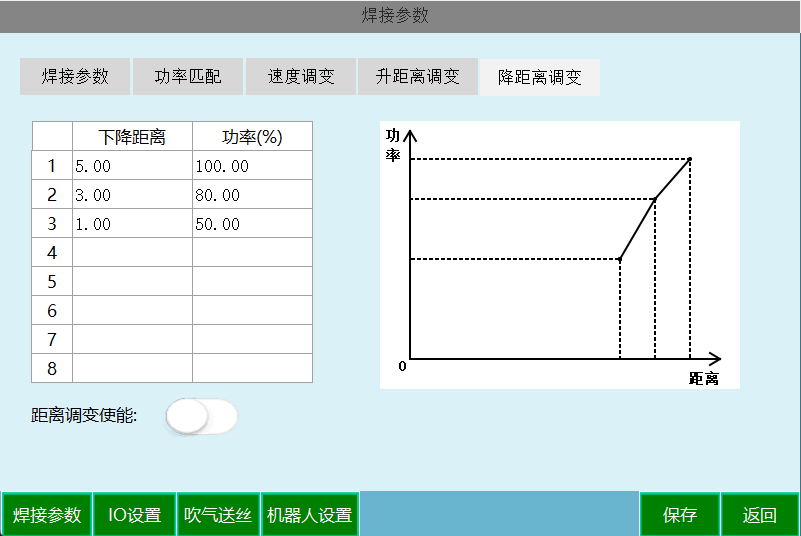
Dynamic Laser Power Adjustment
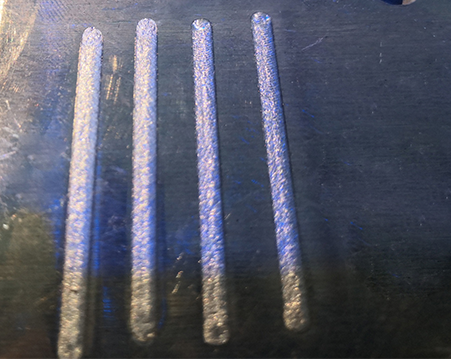
Laser welding is prone to undercut — where the weld fails to fuse properly with the base material, leaving a groove — as well as excessive temperature at the end of the weld and insufficient temperature at the start. These problems are caused by poor matching between welding speed and power during the process. The iNexBot laser welding system features built-in dynamic laser power adjustment that completely solves these issues.
Dynamic Wire Feed Speed Control
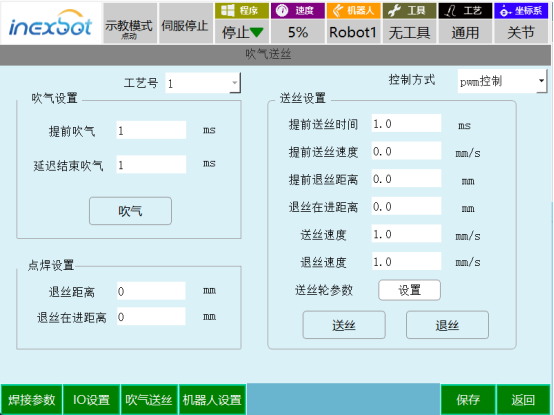
Some laser welding scenarios are prone to hot cracking (such as solidification cracking and liquation cracking), which requires filler wire welding to reduce or eliminate the cracks.
With traditional wire feeders, the feed speed becomes uncontrollable once welding starts, which can easily cause weld bead buildup. Building on this, the iNexBot laser welding system provides real-time controllable wire feed speed, ensuring a clean weld appearance.
Fine Power Control
A major advantage of laser welding is that by adjusting the power to keep the metal surface temperature near its boiling point, metal spatter and cratering can be avoided during welding.
The iNexBot laser welding system integrates dual analog and PWM (high-speed pulse) control modes, enabling highly precise control of laser power density on the metal surface and easy adjustment of laser precision for different base materials.
Laser Vision Tracking and Seam Finding
Laser welding offers the advantage of high-precision welding, but this high processing precision also demands high-precision positioning of the base material, which poses a significant challenge in real production environments.
The iNexBot laser welding system features built-in laser vision tracking and seam finding. Used together with laser welding, it can automatically locate the seam position and automatically compensate for positional errors in the workpiece, making the welding process more efficient and deployment faster.
Dynamic Galvo Lens Pattern Adjustment
A single workpiece may have multiple different weld seams requiring different spot sizes and shapes. To avoid manually adjusting the galvo lens after each seam, the iNexBot laser welding system features dynamic galvo lens adjustment. Combined with dynamic power adjustment, it keeps the power density on the metal surface constant when switching spot area and shape, ensuring consistent weld quality across all seams.
Secondary Development System
To meet individual customer needs, iNexBot offers a secondary development kit for laser welding processes. The kit encapsulates all laser welding functions, allowing users to develop their own laser welding interface tailored to their requirements and make the laser welding process truly their own.iNexBot Technology Open Platform